Welcome to the monthly digest for February Hi , During February, author Jonathan Meddings shared why he wrote a book about circumcision, Virginia Barbour wrote on the push for open access to the latest scientific research, and Paul Monk reflected on the
contribution of Western civilisation’s scientists, inventors and creative artists. Si Gladman
Editor |
Highlights from Rationale
|
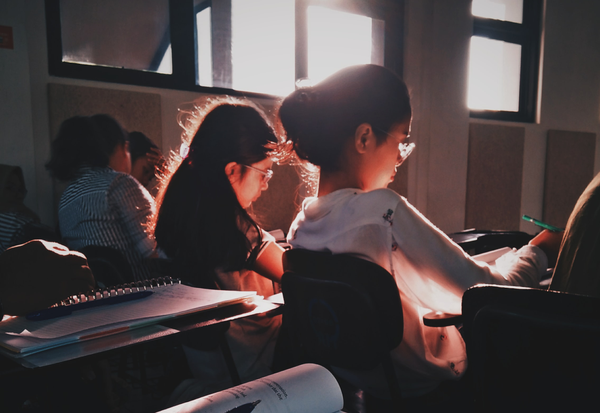
| The day I stood up to bullshit By M. Robert Campbell The first time I was suspended from school came in Year 8. To some, that might seem a little early to receive a penalty as serious as a suspension. In this case, however, that would be
an incorrect assumption. Happening in Year 8, it actually established my bona fides as a ‘late bloomer’. You see, the school in question was no amateur when it came to producing a fine range of proper rascals and soon-to-be scoundrels of note. Many alumni went on to achieve distinguished tenure in some of the finest penal institutions throughout the land. |
| Why I wrote a book on circumcision By Jonathan Meddings I’ve spent the last 10 years researching and writing a book on circumcision. The first question most people ask me is, quite simply, why? The short answer is that more than 1.2 billion
boys and men are circumcised, but most of them didn’t choose to be. Children regularly die or are left permanently disfigured by unnecessary cosmetic circumcisions, and hundreds of thousands of men are so unhappy with their circumcision status they are restoring their foreskins. Yet this is somehow still considered a fringe issue. It’s time we changed that. |
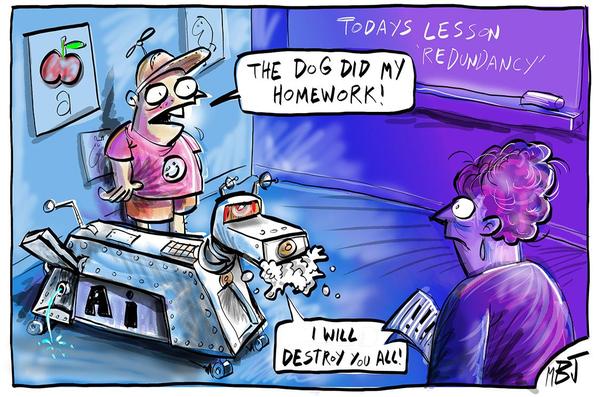
MBJ's
view on current affairs
|
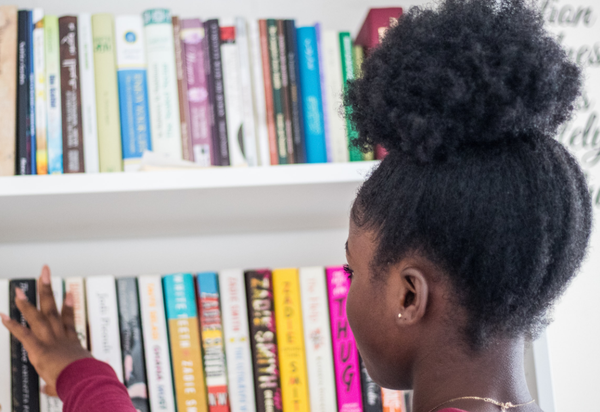
| Rather than ‘bowdlerising’ books, we need to help children
navigate history By Michelle Smith Although several of his best-known children’s books were first published in the 1960s,
Roald Dahl is among the most popular authors for young people today. The recent decision by publisher Puffin, in conjunction with The Roald Dahl Story Company, to make several hundred revisions to new editions of his novels has been described as censorship by Salman Rushdie and attracted widespread criticism. The changes, recommended by sensitivity readers, include removing or replacing words describing the appearance of characters, and adding gender-neutral language in places. |
| The gaping problem at the heart of scientific
research
By Virginia Barbour
Researchers can’t progress their work without access to very
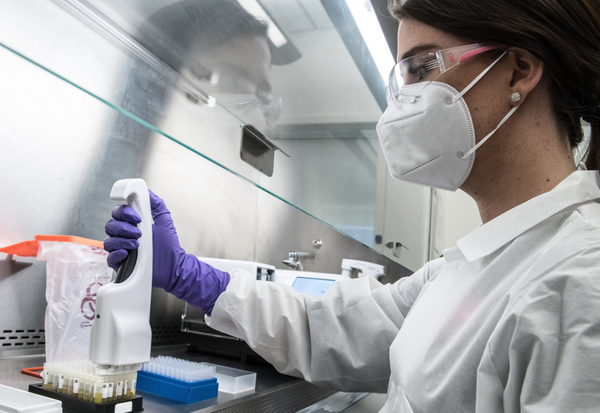
expensive scientific journals. The rebellion against the publishers and their fees has begun. The COVID-19 pandemic exposed many flaws in the way our societies function. Among the less obvious is the gaping problem at the heart of scientific research. In March 2020, scientists were scrambling to understand what the new virus was, how it affected patients, and how it could be treated. Scientists usually publish research findings in scholarly journals many of which charge high subscription fees.
As hospitals in Italy were overwhelmed and the world looked on in fear, vital new information about the virus was locked away behind paywalls. |
| How I dropped the dogma and took control of my own
destiny
By Giulio Bortolozzo
I was about six years old when the parish priest walked into the room. His
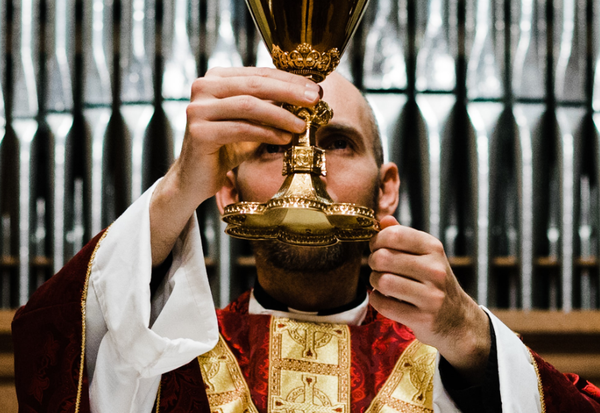
vestments swirled around him as we all rose in deference to this holiest-of-holy messenger of God. The air wafted over and around us as he passed by, and he settled in the middle of the front of the class. He was a giant in black robes towering over us all, and his large golden crucifix hanging from around his white dog-collared neck added to the drama of this holy happening. His eyes scanned the room, and we were fixed in our seats in nervous anticipation. |
| Beethoven, music and human progress
By Paul Monk
One morning a few days ago, a sublimely mild and sunny summer day, I was walking the several kilometres into
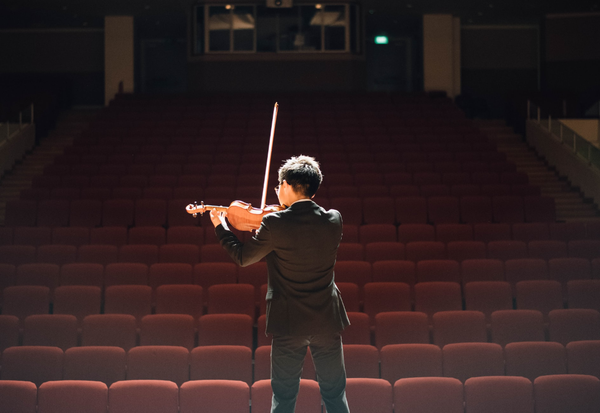
Melbourne’s central business district to get a couple of working print-offs done of my latest book of love poetry. Do rationalists write poetry? Well, this one does. Anyway, as I walked with my earphones attached, I listened to Beethoven’s Violin Concerto in D Major, being performed by Itzhak Perlman. I have always loved this particular piece of music, but what struck me that morning was how utterly extraordinary it is to be able to walk while listening in private to a high fidelity recording of
it – indeed, to be able to download a video recording of it and watch Perlman, performing decades ago, execute a virtuoso rendition of this masterpiece by one of the greatest composers of them all. |
|
|