Welcome to the monthly digest for May Hi , During May, James Fodor examined the rapid technological improvements of large language models (LLMs), such as ChatGPT and Google Bard; and Dave Collins outlined the case for Australia pursuing nuclear
energy. Si Gladman
Editor |
Highlights from Rationale
|
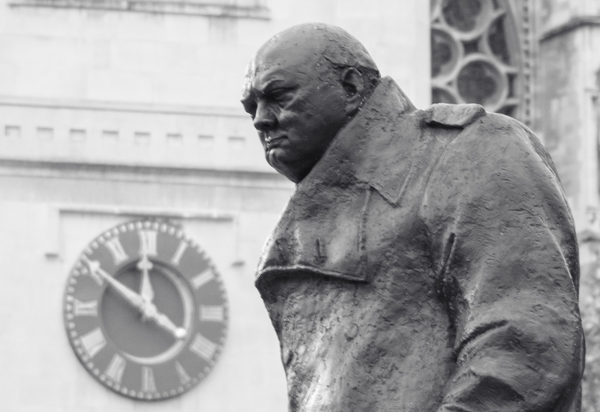
| How democracies survive By Jonathan Meddings To paraphrase Winston Churchill, democracy is the worst form of government — except for every other one we’ve tried. While democracy isn’t perfect, it’s the only political system that
truly gives power to the people, guarantees individual rights and freedoms, and allows people to live and prosper in peace. But as Harvard University professors Levitsky and Ziblatt expound upon in How Democracies Die, democracy is fragile and will die if we don’t actively work to preserve it. As Levitsky and Ziblatt explain, most democracies do not die suddenly in a violent coup, but rather slowly over time as democratic institutions and norms are eroded. They identify several warning
signs of democratic decline, including attacks on the media, the judiciary and civil society, as well as the breaking of unwritten rules that serve as soft guardrails of democracy. |
| The impact and implications of large language
models By James Fodor Large language models (LLMs) such as ChatGPT and Google Bard have attracted a great deal of publicity in recent months due to their impressive abilities to
engage in conversation, answer open-ended questions, find information, write essays, generate computer code, produce poetry, and solve certain problems. The improvement of these systems has generated significant concern regarding the potential harms of such technology. Various potential risks have been raised, including use of LLMs to rapidly spread misinformation, rapid automation of large numbers of jobs, and artificial agents behaving in unexpected ways or even escaping human control
entirely. |
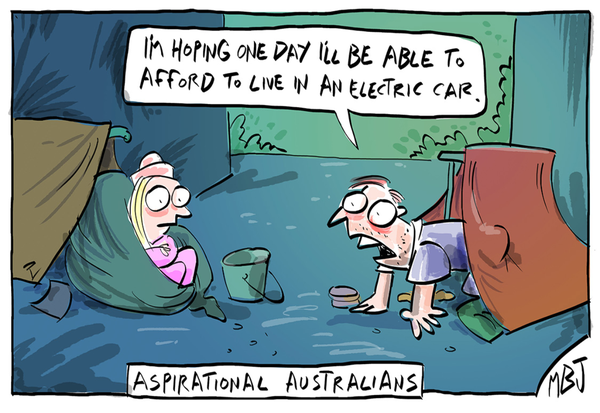
MBJ's view on current affairs
|
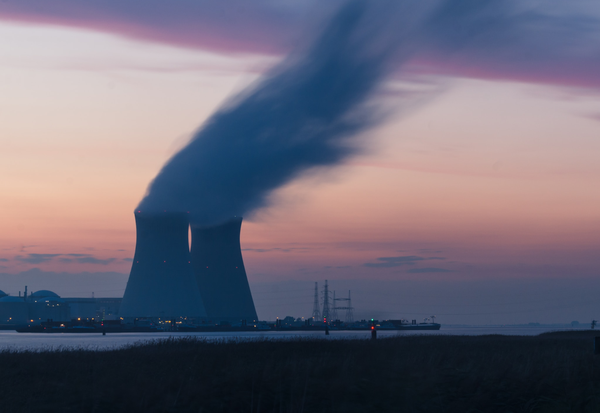
| The case for going nuclear
By Dave Collins
Throughout the 20th century, reliable and low-cost coal-fired electricity, plentiful oil for transport,
and natural gas for heating and chemical production all powered the West’s industrial growth and agricultural productivity. Unfortunately, the carbon dioxide and other greenhouse gases released during combustion and industrial processing of these fossil fuels has gradually warmed the atmosphere. Greenhouse gas emissions continue to increase – with a new record high in 2022 – causing unprecedented and unpredictable climatic extremes. So it is imperative that countries work collectively to do all
they can to achieve global zero carbon. Each country could focus on activities that maximize the reduction of global emissions. For example, Brazil should focus on protecting its forests. Perhaps Australia could take a leadership role in zero-carbon nuclear technology. |
| The King’s coronation: Pomp and Australia’s divided
circumstance
By Alison Francis-Cracknell
On Saturday night, as the new King of England was being
crowned, I found myself caught in the crux of our nation’s juxtaposition. As the horses were parading amid the pomp of the King’s coronation, and bejewelled guests arriving, I was wading through an unfinished thesis chapter about the impacts of settler colonisation in health professional education. The reality of our current state could not have been made starker. My protracted journey through a PhD has coincided with many structural wake-up calls. One of those was the death of the Queen, and
now the crowning of the King. I do not consider myself to be anti-royal; rather, I just do not identify with its relevance in the same way any longer. |
| Key statements absent from policies for new student wellbeing
program
By Si Gladman
Two states are so far failing to implement the new National Student
Wellbeing Program (NSWP) as agreed with the Albanese government, with Queensland and South Australia having omitted key statements about religious elements from their policy documents. While the new Project Agreement for the five-year federally funded NSWP – which replaces the former National School Chaplaincy Program (NSCP) – includes a clear statement that the program is “not a religious program”, neither Queensland’s nor South Australia’s guidelines mention that key requirement. In a major
change to the former chaplaincy program, the new Project Agreement states that chaplains and student wellbeing officers funded under the program may be of “any faith or of no faith”. But South Australia still requires chaplains to be “of any faith”. |
|
|